Fake Brands in Movies: How Props Make 10 Onscreen Logos Feel Real
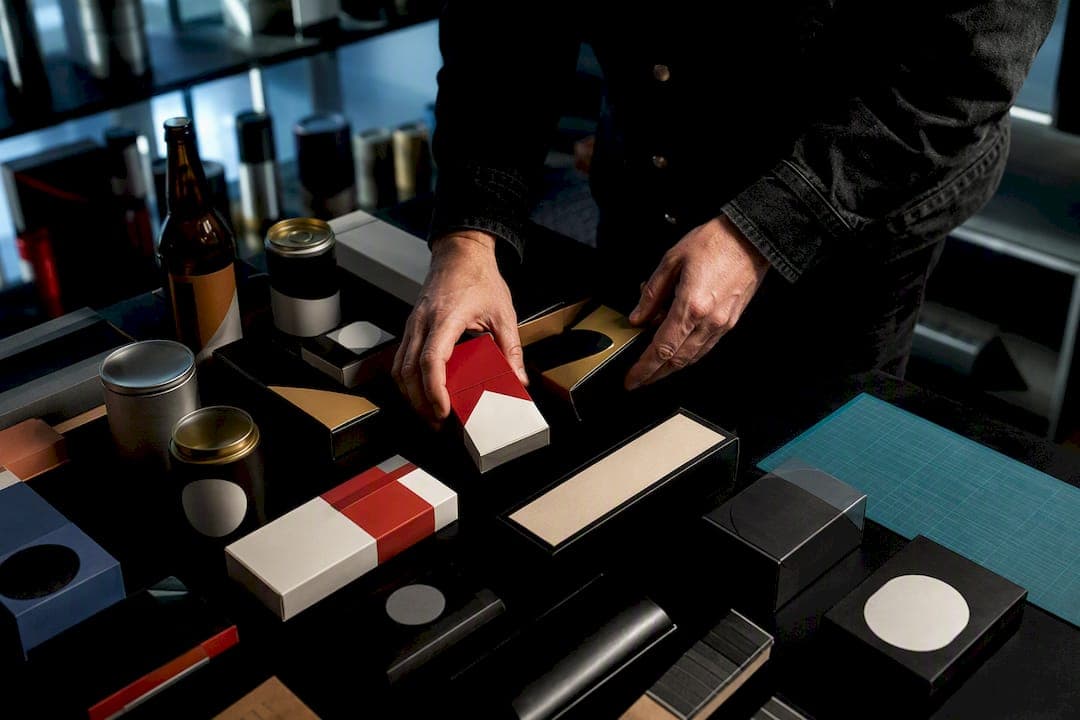
Fake brands in movies are invented product or company names filmmakers build from scratch, usually for one of two reasons: dodging the legal and financial headaches of using a real trademark, or crafting a fictional world that feels lived in. ACME, Morley, and Duff Beer are the household names, but the practice runs deeper than a running gag. Some of these made-up labels, like Wonka, eventually walk off the screen and onto real store shelves.
TL;DR:
- Fake brands are used primarily to avoid legal issues and time-consuming licensing processes, especially when real companies decline to participate.
- Well-designed fictional brands rely on recognizable visual tropes and era-specific styles to appear authentic and connect instantly with viewers.
- Many fictional brands, such as Wonka and Bubba Gump, have transitioned from story elements to real-world products or businesses through licensing and defictionalization.
- Consistent branding across sequels and franchises requires detailed internal documentation to maintain visual and narrative continuity for audiences and fans.
- TV and video games develop fictional brands more extensively over time, creating backstory, advertising, and immersive interaction, unlike the brief appearances in films.
Table of Contents
- What Fake Brands in Movies Actually Are (and Why Productions Use Them)
- 10 Iconic Fictional Brands and Where You’ve Seen Them
- How Prop and Design Teams Make Fake Brands Feel Real
- Trademark Risk and the Rise of Defictionalization
- Why Fake Brands Matter to Fans and Storytellers
- When Fake Brands Cause Real Legal Trouble
- Keeping a Fake Brand Consistent Across Sequels and Shared Universes
- From Prop Gag to Cultural Fixture: How Fake Brands Evolved
- How Movie Brands Differ From TV and Video Game Brands
- Cataloguing Fictional Brands, One Frame at a Time
- Find Every Fake Brand Cameo We’ve Catalogued
- Sources
What Fake Brands in Movies Actually Are (and Why Productions Use Them)
A fictional brand is exactly what it sounds like: a product, storefront, or corporation invented for a film or show rather than licensed from the real world. Prop houses have been building these for decades, and the reasons studios reach for them break down into a few practical categories.
The biggest one is permission. Getting a real company to sign off on how its product appears on screen takes time, money, and creative control filmmakers often don’t want to give up. The classic case is the 1994 remake of Miracle on 34th Street: Macy’s declined to participate, so the production invented a fictional department store instead, a workaround. Wikipedia’s entry on fictional brands documents as one of the clearest examples of permission driving invention.
Beyond legal cover, fake brands do real storytelling work:
- Satire and commentary. A parody logo lets a film mock consumer culture without naming a specific target and inviting a lawsuit.
- Characterization. What a character drinks, smokes, or wears tells the audience who they are, faster than dialogue could.
- Worldbuilding. A recurring fictional brand across a franchise signals continuity and craft to attentive viewers.
- Efficiency. Reusable prop labels let productions skip a legal review every time a beer can shows up in a shot.
10 Iconic Fictional Brands and Where You’ve Seen Them
1. ACME
The granddaddy of them all. ACME has powered every Wile E. Coyote scheme since the Looney Tunes’ golden era, and the name has become cultural shorthand for “generic company that makes questionable products.” No single ACME logo exists; that vagueness is the joke.
2. Morley
This fictional cigarette brand first lit up on screen in Psycho and has since appeared in The X-Files, The Twilight Zone, and Mission: Impossible, among others. Its packaging mimics Marlboro-style design cues closely enough that audiences read “cigarette” instantly, without a real brand’s lawyers getting involved.
3. Wonka
Roald Dahl’s candy empire from Charlie and the Chocolate Factory is one of the rare fictional brands that crossed over for real. Nestlé eventually acquired the Wonka name, turning a storybook chocolate factory into an actual candy line, a defictionalization, Time’s rundown of influential fake companies calls one of the most complete brand-to-shelf transitions in pop culture.
4. Duff Beer
Homer Simpson’s beer of choice has spawned in-universe ad campaigns, rival brands like Fudd, and repeated real-world licensing attempts, with mixed legal results depending on the country and brewer involved.
5. Oceanic Airlines
Lost’s doomed airline did double duty as a plot engine and a marketing device. ABC ran an alternate reality game built around Oceanic’s fictional website, blurring the line between prop and promotion years before that was common practice.
6. Heisler Beer
If you’ve watched more than a handful of films or shows, you’ve seen a Heisler can somewhere in the background. It’s a prop-house staple precisely because it’s forgettable enough to feel real without distracting from the scene.
7. Bubba Gump Shrimp Co.
Forrest Gump’s fictional shrimping business became a real, publicly visited restaurant chain, one of the clearest examples of a movie prop turning into a tourist destination.
8. Pizza Planet
The truck from Toy Story has become Pixar’s most famous recurring Easter egg, showing up in nearly every film the studio has made since. Track its many cameos on The Things You Missed’s Pizza Planet truck breakdown.
9. Red Apple Cigarettes
Quentin Tarantino’s signature fictional smoke brand ties his films together across decades and settings, a deliberate connective device rather than a coincidence.
10. Stark Industries
Tony Stark’s weapons-and-technology conglomerate functions as a character in its own right across the Marvel Cinematic Universe, evolving from arms dealer to clean-energy pioneer as the story around it changes.
How Prop and Design Teams Make Fake Brands Feel Real
Believable fictional packaging leans on the same visual grammar as real advertising: bold sans-serif type for beer, warm serif fonts for bakery goods, a mascot when the brand needs personality fast. Creative Bloq’s analysis of the best fictional brands points out that the strongest examples mirror recognizable tropes, colors, and simplified logos, so viewers connect the parody to its real-world target almost instantly.
Era matters too. A period piece calls for muted, hand-lettered packaging; a near-future thriller wants sharp, minimalist branding. Designers study whatever decade or genre they’re building for and borrow its visual habits, not the specific companies inside it.
Reuse is where the real savings happen. Prop houses maintain small libraries of neutral labels, including Heisler Beer and Morley cigarettes, specifically so productions can skip legal review on every can and pack that crosses the frame.
- Generic slogans that read as advertising without echoing a specific real tagline
- Altered or entirely fake UPC codes so nothing scans as a real product
- Mascots and colors adjacent to, but not copying, an existing brand’s identity
- Continuity notes tracking a fictional label across episodes or sequels
Pro Tip: If you’re building a fictional brand for your own project, sketch the logo in grayscale first. If it still reads clearly as “beer” or “cigarettes” without color, the design is doing its job.
Trademark Risk and the Rise of Defictionalization
Using a real trademark on screen carries genuine legal exposure. Under U.S. law, trademark dilution rules) can apply even in fiction, particularly when a depiction tarnishes a brand’s image or creates confusion about endorsement. That risk is exactly why Miracle on 34th Street invented a department store once Macy’s passed, and why most productions default to fictional packaging rather than risk a dispute.
The traffic runs both directions, though. A fictional brand that catches on can jump into the real market, a process now commonly called defictionalization:
- Nestlé acquired the Wonka candy brand and put it on real shelves.
- Bubba Gump Shrimp Co. became an actual restaurant chain after Forrest Gump.
- Duff Beer has seen repeated, geographically limited licensing attempts by real breweries.
Many fictional brands catalogued by pop culture outlets have spawned some form of real merchandise or licensed product, a pattern Time’s list of influential fake companies traces back to audience affection outlasting the film itself.
Why Fake Brands Matter to Fans and Storytellers
A well-built fictional brand can function as a character. Severance’s Lumon Industries and Marvel’s Wayne Enterprises carry menace or ambition that dialogue alone couldn’t sell as efficiently. When a brand resonates hard enough, it escapes the screen entirely: Oceanic’s alternate reality game turned a plot device into a marketing campaign, and Bubba Gump turned a joke into a dinner reservation. Defictionalization isn’t just a novelty. It’s the clearest signal a fictional brand actually landed with audiences.
When Fake Brands Cause Real Legal Trouble
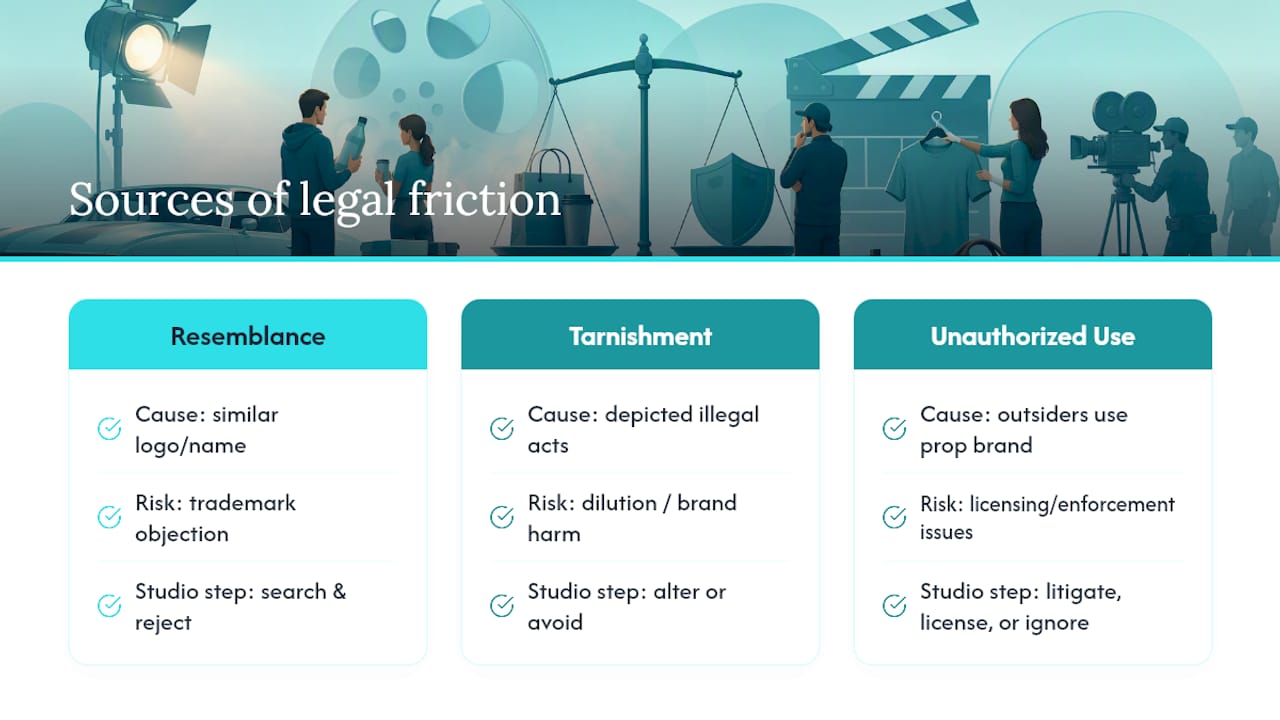
Most fictional brands stay conflict-free precisely because they’re invented to avoid the paperwork of using a real one. But friction still shows up at the edges, usually in one of three ways.
The first is accidental resemblance. A logo, name, or slogan designed purely for a scene can land close enough to an existing trademark that the real company objects, even without malicious intent. Legal teams on bigger productions typically run trademark searches on invented names for this reason, the same due diligence that leads studios to reject a name outright rather than risk a dispute later.
The second is reputational tarnishment, the scenario Cornell Law’s dilution primer describes most directly: a brand shown doing something illegal, unsafe, or embarrassing, even a fictional stand-in that looks close enough to a real company, can trigger a dilution claim if a court finds the resemblance damaging.
The third, and most common in practice, involves the reverse problem: a studio’s own fictional brand getting used by outside parties without permission. Duff Beer has drawn multiple real-world licensing attempts over the years, some authorized, some not, forcing the rights holder to decide whether to litigate, license, or ignore each case depending on market and jurisdiction.
None of these disputes tend to make headlines the way celebrity lawsuits do, but they shape how cautious prop and legal departments have become. A generic-sounding name, a slightly altered logo, and a fake UPC code aren’t just creative choices. They’re a production’s first line of defense against exactly this kind of claim.
Keeping a Fake Brand Consistent Across Sequels and Shared Universes
The moment a fictional brand needs to reappear in a sequel, spinoff, or shared universe, it stops being a one-off prop and becomes a continuity problem. Someone has to remember what the Stark Industries logo looked like three films ago, whether the font changed, and whether the company’s tagline still makes sense given what happened to the story since.
Larger productions solve this with continuity bibles: internal documents cataloguing a fictional brand’s exact colors, wordmark, packaging variations, and history so a different art department five years later doesn’t reinvent it from scratch. This is standard practice on set, the same kind of documentation Mental Floss notes prop and set decoration teams maintain for recurring labels across episodes and franchise entries.
The harder challenge is narrative rather than visual. Stark Industries had to evolve from weapons manufacturer to clean-energy company as Tony Stark’s arc changed, which meant the logo, the branding language, and even the company’s public messaging needed updates that still read as the same corporate identity. Get it wrong and eagle-eyed fans notice immediately, the exact kind of detail that turns a passing background prop into a talking point.
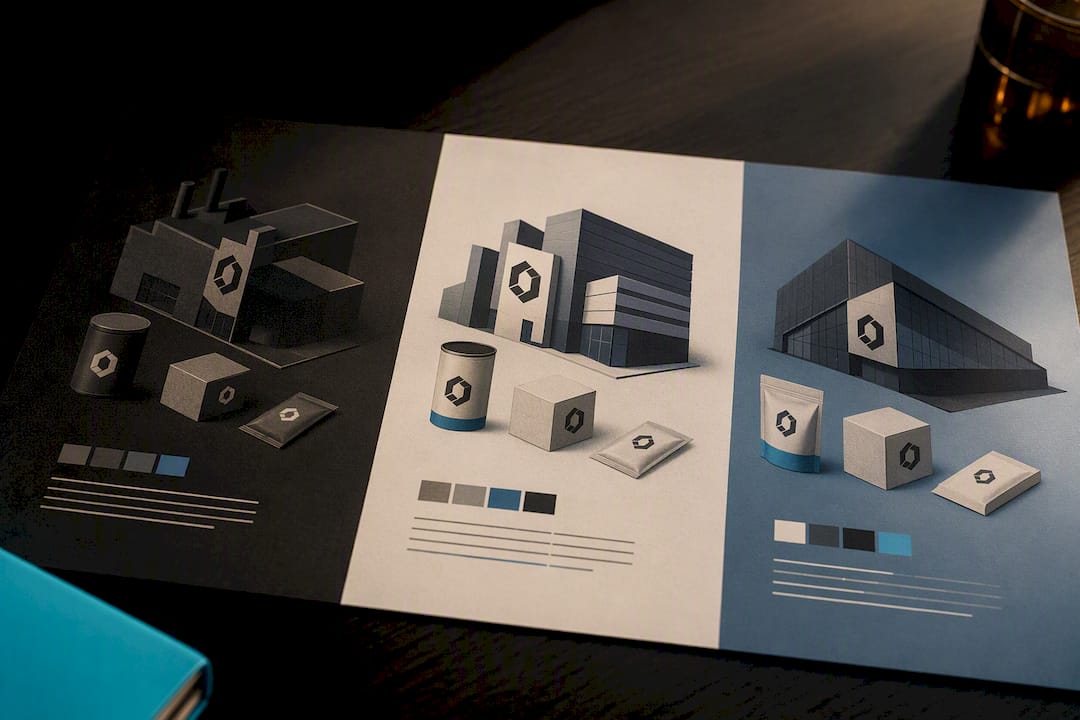
Franchises with long timelines face an added wrinkle: a brand designed to look futuristic in one decade can look dated a few sequels later, forcing a choice between an intentional in-universe redesign or a quiet retcon nobody addresses on screen.
From Prop Gag to Cultural Fixture: How Fake Brands Evolved
Fake brands didn’t start as a design discipline. Early film relied on them mostly out of necessity, quick, cheap placeholders so a diner sign or a cigarette pack didn’t require a licensing conversation nobody had time for. ACME is the clearest survivor of that era: a name so generic it was never meant to be memorable, and became exactly that through decades of repetition in Looney Tunes shorts.
By the time Morley showed up in Psycho, fictional branding had started doing more deliberate work. A cigarette pack that looked convincingly like a real one, without being one, let filmmakers put a recognizable vice on screen while sidestepping tobacco-industry entanglements entirely. That same label went on to appear across decades of television, becoming a quiet piece of connective tissue between otherwise unrelated shows and films.
The turning point came when studios realized audiences didn’t just tolerate fake brands. They noticed and loved them. Duff Beer’s in-universe ad campaigns and Stark Industries’ corporate arc treated fictional branding as a storytelling tool in its own right, not a legal workaround. Modern franchises now design fictional brands with the same care as real marketing departments, anticipating that fans will screenshot the logo, debate the packaging, and ask when it’s coming to a store near them.
How Movie Brands Differ From TV and Video Game Brands
Film handles fictional brands as tight, self-contained gags or worldbuilding flourishes: a Pizza Planet truck cameo, a Red Apple pack on a diner table, gone in seconds and easy to miss on a first watch.
Television has room a two-hour film doesn’t. A show can spend seasons building out a brand’s advertising history, rival products, and public reputation the way The Simpsons has done with Duff Beer, turning a prop into a running storyline with its own internal lore.
Video games go further still, often letting players walk into the fictional store, read the fictional packaging up close, or hear in-world radio ads for the brand, an interactive depth neither film nor television can offer. The tradeoff is durability: a game’s fictional brand lives inside a fixed, replayable world, while a film’s or show’s version depends entirely on whether audiences remember a scene they may have seen only once.
Cataloguing Fictional Brands, One Frame at a Time
I’m Christian, and tracking recurring motifs like fictional in-universe products is exactly the kind of detail Thethingsyoumissed exists to catalog. Every sighting gets a timestamp and a verified source, whether it’s a Pizza Planet truck parked in the background or a Stark Industries logo hiding on a monitor. If you’ve ever paused a frame to confirm a fake brand you half remembered, the fictional in-universe brand motif page is built for exactly that hunt.
— Christian
Find Every Fake Brand Cameo We’ve Catalogued
Spotting Duff Beer in the background or catching a Stark Industries logo on a monitor is one thing. Knowing the exact timestamp, episode, and confirmed source behind it is another, and that’s the gap Thethingsyoumissed fills for readers who want more than a passing mention.
The catalog allows users to explore franchises’ recurring brands and motifs with features designed to respect spoilers. Fictional product placements like Pizza Planet, ACME, and their franchise-mates get tracked frame by frame across the motif page for fictional in-universe brands. With new sightings added as they’re confirmed. Start with the movie easter egg catalog to see how deep the breakdowns go, film by film, or browse TV series breakdowns if a recurring brand across seasons is what you’re chasing.
Sources
- Fictional brand — Wikipedia
- Mental Floss: Fake brands seen in movies and television
- Time: The 18 Most Influential Fake Companies
- Creative Bloq: The 10 best fictional brands from film and TV