7 Parasite Easter Eggs That Make the Ending Feel Inevitable, Verified
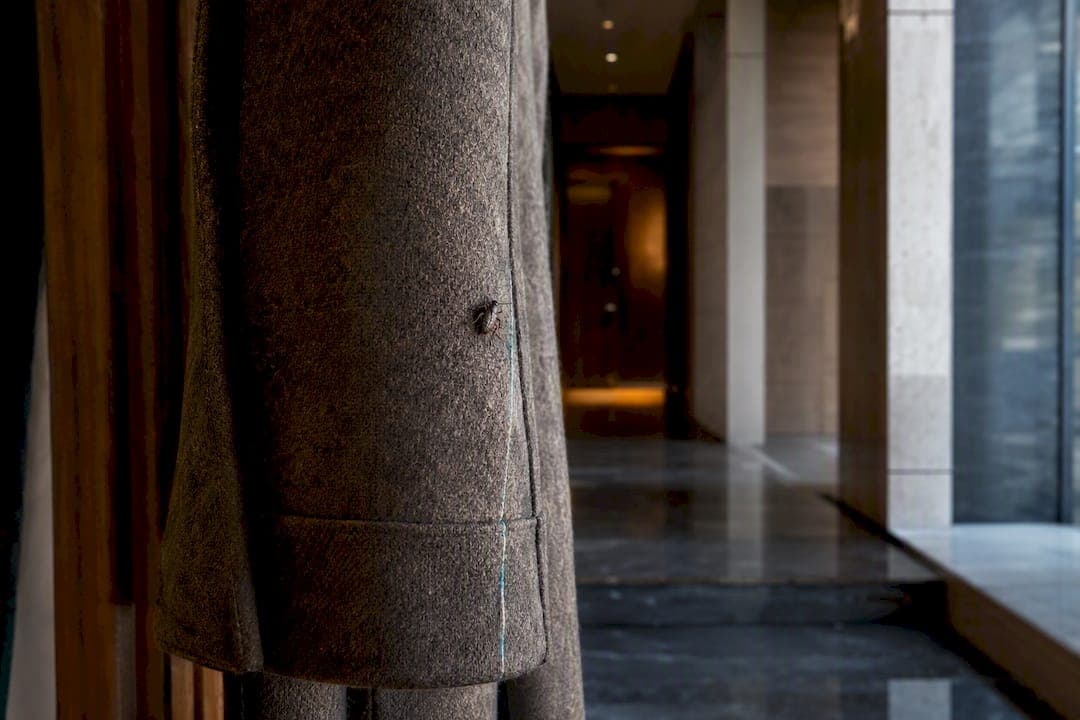
Parasite hides deliberate, plot-serving Easter eggs — the scholar’s rock, the vertical stair motifs, the olfactory cues that follow the Kims like a shadow — and once you spot them, the ending stops feeling like a twist and starts feeling like a countdown. These are the seven biggest to hunt for: the scholar’s rock, the stair and window geometry of the Park house, the stink bug, the basement reveal, the ram-don, the flood sequence. Bong Joon-ho built every one of them as a narrative device, not set dressing. Spoilers ahead, obviously.
TL;DR:
- The film’s visual design uses staircase and window geometry to encode class contrasts, guiding viewers’ perceptions of ascent and descent.
- Small props like the scholar’s rock and ram-don dishes symbolically reflect shifts in fortune, status, and identity without explicit explanation.
- The basement reveal is foreshadowed by subtle clues such as Da-song’s drawing and physical traces that only become obvious upon rewatching.
- The flood sequence marks the turning point from dark comedy to social tragedy, emphasizing the physical dangers of semi-basement housing during storms.
- Behind-the-scenes choices, like building the house set from scratch, reinforce the film’s intentional use of space, height, and elevation as core metaphors.
Table of Contents
- Visual Motifs: Verticality, Stairs, and Windows
- Props That Carry More Weight Than They Look
- Smell, Insects, and the Class Marker You Can’t Wash Off
- Foreshadowing and Continuity Details Built for Rewatches
- Rain, Flooding, and a House That Was Never Built for Them
- What Bong Joon-ho and Tony Rayns Confirm Was Intentional
- Why the Production Details Change How You Watch
- Your Rewatch Checklist: What to Watch For Scene by Scene
- Why These Details Change the Ending, Not Just the Trivia
- Get Every Parasite Detail Verified, Timestamped, and Spoiler Free
- Sources
Visual Motifs: Verticality, Stairs, and Windows
Bong Joon-ho stages almost every major turn of Parasite on a staircase, and the direction of travel always tells you who’s winning. The Kims climb up into wealth and comfort; every time disaster hits, they run down, often literally, into flooding streets and a submerged living room. That’s not incidental blocking. It’s the film’s thesis rendered in elevation.
Here’s how the vertical grammar breaks down across four key beats:
- The climb to the Park house. Ki-woo’s walk up the hillside path to interview as a tutor is the film’s first big upward journey, and the camera lingers on the ascent long enough to make you feel the effort.
- The “black mouth” stairs to the basement. The narrow staircase behind the pantry door drops at an angle that swallows light, visually severing the hidden bunker from the bright main floor above it.
- The storm-night descent. After the Kims flee the Park house during the party, they run down flight after flight of exterior stairs toward their submerged neighborhood, a literal free fall in class terms.
- The garden-party finale. The camera cranes upward from the garden massacre to the Park house’s clean architecture, closing the film on the same vertical logic that opened it.
Window framing does similar work. The Park house’s oversized living-room window doesn’t just let in light. It draws a literal boundary line between the family inside and anyone approaching from the yard, including Geun-se during his fumigation-night appearance. Production design mattered enormously here: the Park house was custom-built for the film specifically so the crew could control elevation and light with precision no existing location would allow, according to reporting on Bong Joon-ho’s use of height in the film. That control is why the staircases feel choreographed rather than incidental. Academic writing on the film’s visual language treats the recurring stair imagery as one of its central class metaphors, and once you’re watching for it, you can’t unsee it.
Pro Tip: Track how much natural light hits a character in each scene. The Parks are almost always lit from above or by wide windows; the Kims, even in their own home, tend to sit under artificial or half-blocked light.
Props That Carry More Weight Than They Look
Small objects in Parasite change meaning every time they reappear, and tracking them across the runtime turns the film into a different kind of puzzle. Watch how each of these evolves:
- The scholar’s rock. Given to Ki-woo by his friend Min as a symbol of “material fortune,” it starts as a hopeful talisman, becomes a literal burden the family drags to their flooded home, and finally turns into a weapon Ki-woo carries back into the basement, where it’s used against him instead. Its meaning inverts three times without a single line of dialogue explaining the shift.
- Ram-don (japaguri). Yeon-gyo’s request that the housekeeper add expensive sirloin to instant noodles turns a working-class staple into a status marker. The dish itself is a mashup of two budget noodle brands, dressed up with premium beef, which makes it a near-literal metaphor for the Kims dressing themselves up to pass as premium household staff.
- The beer label swap. Continuity watchers have flagged a shift in the brand of beer visible in the Kim apartment between early and later scenes, a small visual cue some read as shorthand for their brief taste of upward mobility before the crash.
- The Basquiat-style painting and the “Native American” play props. Da-song’s teepee, the bow and arrow, the war paint. All of it signals borrowed cultural cachet dressed up as sophistication, the same surface-level taste performance that defines the Parks’ whole aesthetic.
Each object is a small class signifier disguised as a prop, and Bong never explains any of it out loud. He trusts you to notice.
Smell, Insects, and the Class Marker You Can’t Wash Off
The stink bug that lands in the Kim apartment during the opening scenes isn’t a throwaway gag about basement living. It’s the film’s first sensory warning that this family’s poverty is embodied, something that clings to clothes and skin in a way money can hide but never erase. Ki-taek’s fumigation-smoke justification for leaving the window open plays as comic timing on a first watch. On a second, it reads as the film quietly establishing that pests, smoke, and poverty are treated as interchangeable contamination in this house.
Smell becomes the film’s cruelest tell later, when Park Dong-ik describes a scent that “crosses the line,” something like “boiled rag” or “the smell you get on the subway.” He can’t name its source, but the story makes clear he’s talking about Ki-taek. Money buys distance from almost every marker of class except this one, and film-journal analysis on Parasite’s use of sensory coding argues that smell functions as the film’s most precise class signal, more exact than clothing, speech, or even the basement itself.
- The stink bug sets up the smell motif before anyone speaks a word about class.
- Fumigation smoke links pest control directly to the Kims’ living conditions.
- Dong-ik’s remark about a smell “crossing a line” pays off the motif with brutal specificity.
Foreshadowing and Continuity Details Built for Rewatches
The basement reveal doesn’t come out of nowhere, and Bong plants the clue early enough that most viewers miss it on a first pass entirely.
- Da-song’s drawing. The framed crayon drawing near the front door, easily dismissed as generic kid art, shows a humanlike figure near stairs. Da-song later reveals he saw “a ghost” descending those exact stairs at night, meaning the drawing was a documented sighting the family framed without understanding.
- The hand imprint after the storm. Small physical traces left behind by Geun-se’s basement existence, easy to miss, become impossible to unsee once you know someone’s been living beneath the house the whole time.
- The jerky hand swap. Eagle-eyed viewers noticed a continuity shift involving who’s holding a bag of dried jerky between shots. According to comments from the film’s editing team, some of these small continuity quirks were left in on purpose as a kind of reward for attentive viewers, not an error that slipped through.
- The forged Yonsei University diploma. Ki-woo’s fake enrollment document is the engine that gets the whole family into the house, and its casual believability foreshadows how easily surface credentials fool the Parks throughout the film.
None of this is decorative. Every clue above earns its payoff later, which is the entire argument for a second viewing.
Rain, Flooding, and a House That Was Never Built for Them
The storm sequence is where the film’s class argument stops being subtext and becomes physical danger. For the Parks, camping in the rain, a canceled trip is a minor inconvenience solved by moving the party indoors. For the Kims, the same storm floods their semi-basement apartment, destroys their belongings, and forces Ki-jung to fight sewage backing up through a toilet just to keep her family’s one working bathroom functional.
- Semi-basement housing sits below street level, which means storm runoff and sewage flow downward, into homes like the Kims’, before it flows anywhere else.
- The contrast is staged in real time: the Parks worry about a camping trip while the Kims are shoveling water out of a collapsing home a few miles away.
- Scene-level analysis of the flood sequence treats this as the film’s structural hinge, the exact point where dark comedy tips into disaster.
The flood isn’t a detour from the plot. It’s the moment the film stops asking you to laugh and starts asking you to reckon with what precarity actually costs.
What Bong Joon-ho and Tony Rayns Confirm Was Intentional
Bong Joon-ho and critic Tony Rayns walk through many of these choices directly in the Criterion Collection commentary track, and the takeaways confirm this wasn’t a film relying on accidental subtext.
- Bong discusses deliberately paced reveals and information he chose to withhold early, specifically to reward viewers who rewatch with foreknowledge of the ending.
- Reporting on the commentary track notes Bong citing Alfred Hitchcock as an influence on the staircase framing and George Miller’s Mad Max: Fury Road as a model for conveying plot information through action rather than dialogue.
- The Park house’s construction as a custom-built set, rather than a location shoot, is confirmed as a deliberate choice to give the crew total command of light and elevation.
One detail worth sitting with: Bong has described the film’s final freeze on Ki-woo’s letter as a “surefire kill,” a Korean phrase closer to “confirmed kill shot,” meaning the hopeful reading of the ending was never meant to survive scrutiny. That’s not ambiguity. That’s a director telling you, on record, exactly how bleak he intended the ending to be.
Why the Production Details Change How You Watch
Two facts from outside the film itself do more to validate its design than any close reading alone could. Production reporting confirms the Park house was built from scratch specifically so the crew could control every sightline, window, and staircase angle, which is why the geometry feels so purposeful rather than found. Academic writing on the film independently arrives at the same conclusion: the verticality isn’t a stylistic flourish, it’s the film’s core argument expressed architecturally.
- The custom-built house means every stair angle and window placement was a choice, not a constraint of an existing property.
- Film scholarship treats the vertical staging as the film’s primary structural metaphor, not a secondary visual motif.
- Knowing this changes your rewatch strategy: instead of just watching characters, watch where the camera puts them relative to floor level.
Your Rewatch Checklist: What to Watch For Scene by Scene
Run through this list on your next viewing and you’ll catch details most first-time viewers miss entirely.
- Opening stink bug scene. Notice the smoke justification. It’s planting the smell motif immediately.
- Ki-woo’s climb to the interview. Count the number of upward shots before he reaches the house.
- Da-song’s crayon drawing by the door. Pause on it. It’s a documented ghost sighting.
- The scholar’s rock handoff. Watch what Ki-woo does with it in three separate scenes.
- The ram-don scene. Note the beef being added to instant noodles.
- The “black mouth” pantry door. Watch how the light changes the second it opens.
- Dong-ik’s smell comment in the car. Watch Ki-taek’s face, not Dong-ik’s.
- The storm-night stair descent. Count how many flights the Kims run down.
- The jerky bag in Ki-jung’s hands. Track which shot the bag disappears in.
- The final freeze-frame letter. Rewatch it knowing Bong’s own “surefire kill” description.
Pro Tip: Mute the dialogue for one rewatch of the storm sequence and just watch blocking and elevation. The class argument survives without a single word.
Pro Tip: If you want verified timestamps instead of guessing where each moment lands, some catalogs do the legwork for you scene by scene.
Why These Details Change the Ending, Not Just the Trivia

Noticing the structural groundwork Bong lays for the ending doesn’t just add trivia to your mental catalog. It changes what the final scene actually feels like. Once you’ve clocked the vertical staging, the smell motif, and the deliberate pacing choices confirmed in the Criterion commentary, Ki-woo’s hopeful letter to his father stops reading as an open question and starts reading as a door that was always going to stay shut. The emotional gut punch of the ending isn’t ambiguity. It’s inevitability dressed up as hope, and that’s a much colder thing to sit with.
If you want the scene-by-scene version of everything above, with exact timestamps and verified sourcing instead of secondhand memory, that’s the kind of breakdown Thethingsyoumissed catalogs them in full.
— Christian
Get Every Parasite Detail Verified, Timestamped, and Spoiler Free
Some dedicated resources skip the guesswork of scrubbing through a film frame by frame. They provide timestamped and source-verified Easter egg details, so instead of rewatching Parasite multiple times to confirm small details, you get exact scene markers quickly.

The movie catalog covers Parasite alongside other detail-heavy titles, and browsing is spoiler-safe by design, so newer fans can explore without stumbling into the ending before they’re ready. If you’ve already worked through the basement reveal and the flood sequence above, the recurring motifs section shows how directors reuse the same visual tricks, staircases, windows, weather, across completely different films. For your next rewatch project, pull up the Parasite entry directly, check the timestamps against your own notes, and see how many of the ten checklist items above you catch without pausing once.
Sources
- Bong Joon-ho’s use of height in Parasite (Bijou Blog)
- CineJ article on Parasite’s sensory coding
- 10 Things We Learned from Bong Joon Ho’s Parasite Criterion Commentary (Indiewire)
- What You Didn’t See in Parasite: Easter Eggs & Hidden Meaning Explored
Recommended
- Get Out Easter Eggs: All 19 Hidden Details & References Explained (2017)
- 28 Years Later Easter Eggs: All 20 Hidden Details & References Explained (2025)
- Severance Easter Eggs: All 18 Hidden Details & References Explained (2022)
- Backrooms Easter Eggs: All 20 Hidden Details & References Explained (2026)