7 Hidden Movie Details Casual Fans Can Spot: Spoiler Safe, Timestamped
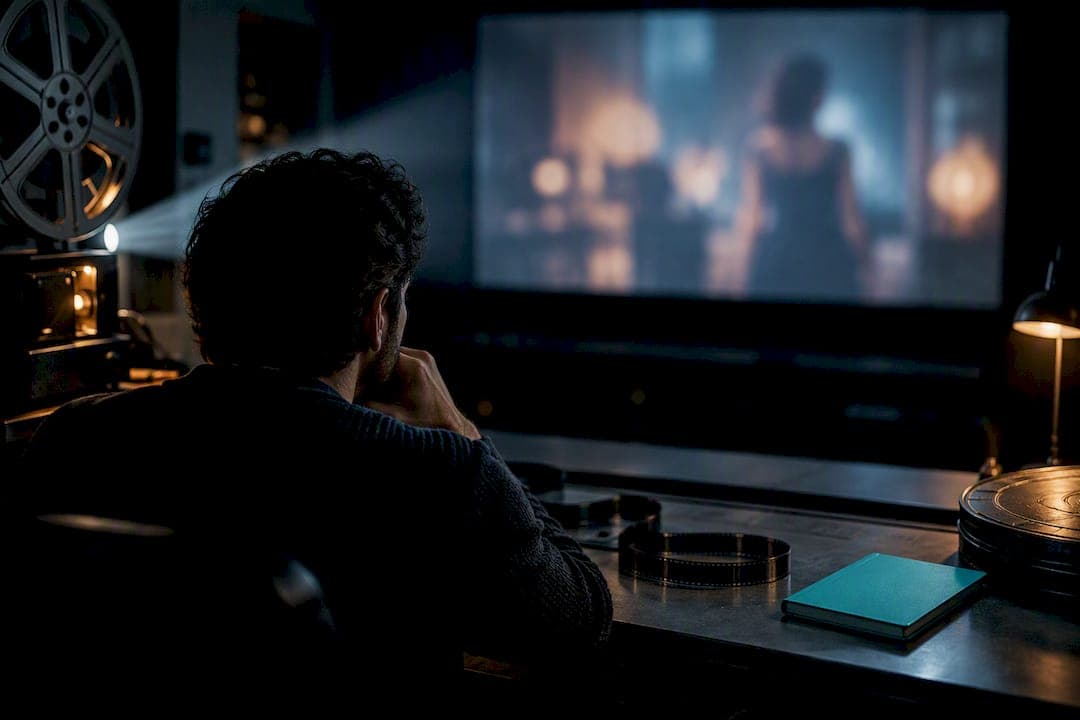
Hidden movie details are small, intentional or accidental cues, props, background text, costume shifts, or audio hints, that reward attentive viewers and change the way you read a film on repeat viewings. Some are planted by the director as deliberate winks; others are happy accidents the crew never flagged. Either way, once you know how to look, you start seeing every frame differently.
TL;DR:
- Nearly all hidden details are either deliberate clues from the filmmakers or accidental artifacts that reward attentive viewing.
- Visual cues like background props, costume color shifts, and timeline hints often reveal connections or foreshadowing when rewatched carefully.
- Audio details such as background dialogue or score cues can foreshadow later plot twists, especially when missed on casual viewing.
- Verified, spoiler-safe databases provide timestamped breakdowns of hidden details organized by film or franchise, making rewatching more rewarding.
- Spotting these clues requires patience, pause and frame-by-frame review, and often rewatching scenes with the ending in mind to catch retrospective hints.
Table of Contents
- What Counts as a Hidden Movie Detail?
- 7 Types of Hidden Details Worth Hunting For
- 1. Background Props That Cross-Reference Other Films
- 2. Costume Color Coding
- 3. Timeline and Framing Clues
- 4. Audio and Dialogue Plants
- 5. Text as Set Dressing
- 6. Repeated Motifs
- 7. Accidental Continuity Quirks
- How to Spot Hidden Details Without Ruining the Movie
- Why Hidden Details Matter: Retrospective Clues and Rewatch Value
- Where to Find Verified, Spoiler-Safe Detail Breakdowns
- A Note From Christian on Why This Hunt Never Gets Old
- Catch the Details You Missed on Your Next Rewatch
- Sources
- FAQ
What Counts as a Hidden Movie Detail?
Not every background object is an easter egg. Some are deliberate plants; others are what film scholars call happy accidents, details filmmakers left in the frame without fully intending the payoff. Both categories fall under the umbrella of what most fans mean when they say “hidden movie details,” and the distinction between planned reference and lucky find matters less than whether the moment survives a second watch.
These details tend to show up in a handful of recognizable forms:
- Background props: a newspaper headline, a book title, or a toy that ties one film to another in the same universe.
- Costume shifts: a character’s wardrobe subtly changing color or condition to track an internal arc.
- On-set text: signage, labels, or scrawled notes that only resolve on freeze-frame.
- Audio clues: a line of dialogue, a radio broadcast, or a score cue that foreshadows a later beat.
- Timeline hints: a calendar page or clock that quietly contradicts what a character just told you.
A prop department’s inside joke and a director’s carefully engineered clue can look identical on screen. That’s part of the fun, and part of why cataloging them accurately takes real attention.
7 Types of Hidden Details Worth Hunting For
1. Background Props That Cross-Reference Other Films
Prop departments love inside jokes. A crate, a logo, or a piece of set dressing from an earlier movie in the same universe will quietly reappear in a later one, rewarding viewers who’ve seen both. These aren’t always plot-critical, but they’re the easter eggs fans screenshot first.
2. Costume Color Coding
Costume designers frequently shift a character’s palette across a film to track their arc, moving from cool tones toward warm ones as they change allegiance, or the reverse as they fall apart. Watch the same character’s outfit across three scenes and the pattern often jumps out.
3. Timeline and Framing Clues
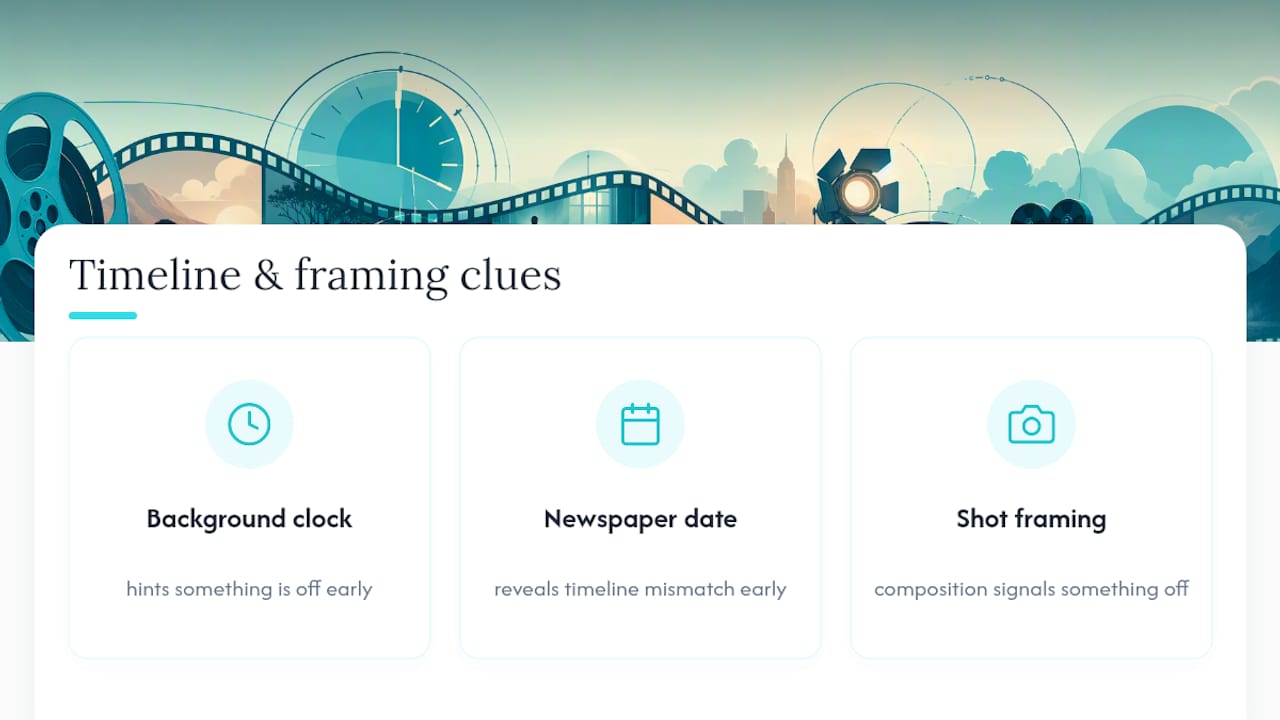
A clock in the background, a newspaper date, or even how a shot is framed can hint that something is off long before the script says so. These are the details that make you gasp on rewatch because you realize the film was never hiding the twist. It was showing it to you the entire time.
4. Audio and Dialogue Plants
A throwaway line of dialogue or a barely audible radio broadcast can set up a later reveal. These details are easy to miss on a first watch because your attention is on the visuals, not the sound mix.
5. Text as Set Dressing
Book spines, street signs, and handwritten notes often carry more information than they need to. Directors use this trick to reward viewers who pause and read instead of just watching the scene move past.
6. Repeated Motifs
Colors, numbers, or objects that recur across a franchise, or even a single film, build a visual shorthand once you notice the pattern.
7. Accidental Continuity Quirks
Not every detail is intentional. Some are crew mistakes or coincidences that fans later reinterpret as meaningful, which is part of what makes detail-hunting a living, evolving conversation rather than a fixed list.
How to Spot Hidden Details Without Ruining the Movie
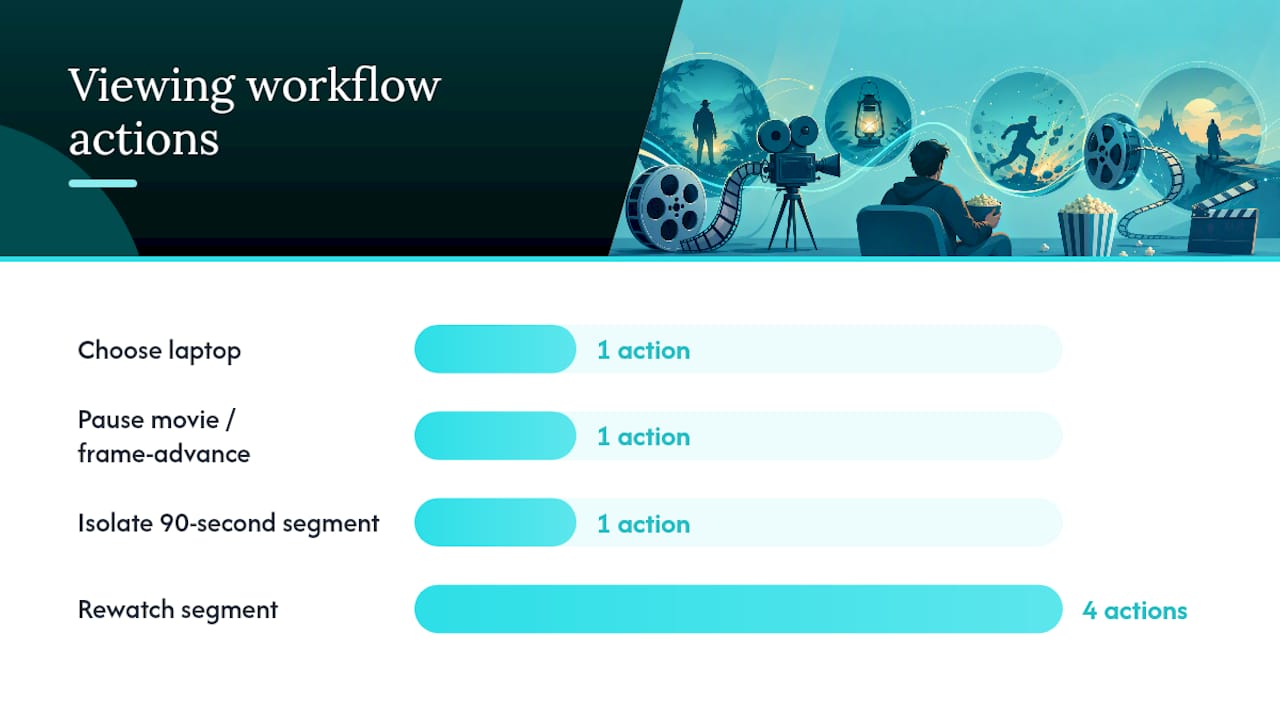
You don’t need special software to catch most of this. You need patience, a rewind button, and a plan for how to look.
- Freeze-frame key scenes: any moment involving a newspaper, screen, or wall of photos deserves a pause.
- Use frame advance instead of pause: most streaming platforms let you step forward one frame at a time, which catches things a simple pause blurs.
- Turn on subtitles: background dialogue and distant signage sometimes get transcribed even when the camera doesn’t linger on them.
- Zoom in during static shots: wide, unmoving compositions are often deliberately loaded with detail.
- Watch for costume and prop continuity across scenes, not just within one.
- Rewatch with the ending in mind: knowing how the story resolves changes what you notice earlier in the runtime.
Pro Tip: Before you go hunting on your own, decide whether you want a spoiler-free hunt or a full-knowledge rewatch. Trying to do both at once is how you either miss the good stuff or accidentally spoil yourself on a twist you didn’t want revealed yet.
None of this requires expensive gear. A laptop, a decent pause button, and the willingness to rewatch the same ninety seconds four times will get you most of the way there.
Why Hidden Details Matter: Retrospective Clues and Rewatch Value
The most satisfying hidden details are usually what critics call retrospective clues, moments that look completely ordinary on a first viewing and only become meaningful once you know how the story ends. A glance, a prop placement, or an odd line reading suddenly clicks into place, and the whole earlier scene reorganizes itself in your memory.
Digital tools for freezing and magnifying frames have fundamentally changed how audiences engage with film, turning casual viewers into close readers capable of catching details that would have been nearly impossible to isolate in the theatrical era.
That shift is worth sitting with. Film scholar David Bordwell has written about how frame-by-frame scrutiny reshaped viewing habits, and the concept of retrospective clues, details that only make sense after the ending, helps explain why so many films reward a second watch. A single visible tattoo, a background photograph, or a line about someone’s whereabouts can quietly set up a reveal that lands twice as hard once you go back and catch the setup. This is also why so many escape room designers think carefully about how planted clues shape a participant’s sense of discovery: the payoff of noticing something small is a feeling worth engineering on purpose.
Where to Find Verified, Spoiler-Safe Detail Breakdowns
Social threads and short-form video are fast, but fast isn’t the same as accurate. A Reddit thread might surface a genuinely sharp catch, but it can also misattribute a detail or skip the timestamp entirely, leaving you to hunt through an entire runtime to confirm it.
Timestamped, verified entries solve that problem directly. Each detail gets logged with the exact moment it appears, checked against the source material, and organized so you can browse by film, franchise, or motif without stumbling into a plot twist you didn’t ask for.
- Search by title when you already know what you watched and want the full breakdown.
- Browse by motif when you’re chasing a pattern across multiple films.
- Use spoiler-safe toggles to see setup details without the ending that explains them.
Christian’s breakdown of Get Out’s hidden references is a good example of how a single film’s worth of detail gets organized into something you can actually navigate.
A Note From Christian on Why This Hunt Never Gets Old
Cataloging these details started as pure curiosity: how many small choices does a crew make that most viewers never register? Every submission from a reader sharpens that record. If you catch something the entries missed, or want a title added, send it in. The database gets better every time someone notices what everyone else scrolled past.
— Christian
Catch the Details You Missed on Your Next Rewatch
There are services built for exactly the moment you finish a movie and think, “wait, was that a clue?” Instead of digging through scattered Reddit threads or half-remembered TikToks, you can find timestamped, verified entries organized by film, franchise, or motif, often with spoiler-safe browsing so you control how much you see before you’re ready.
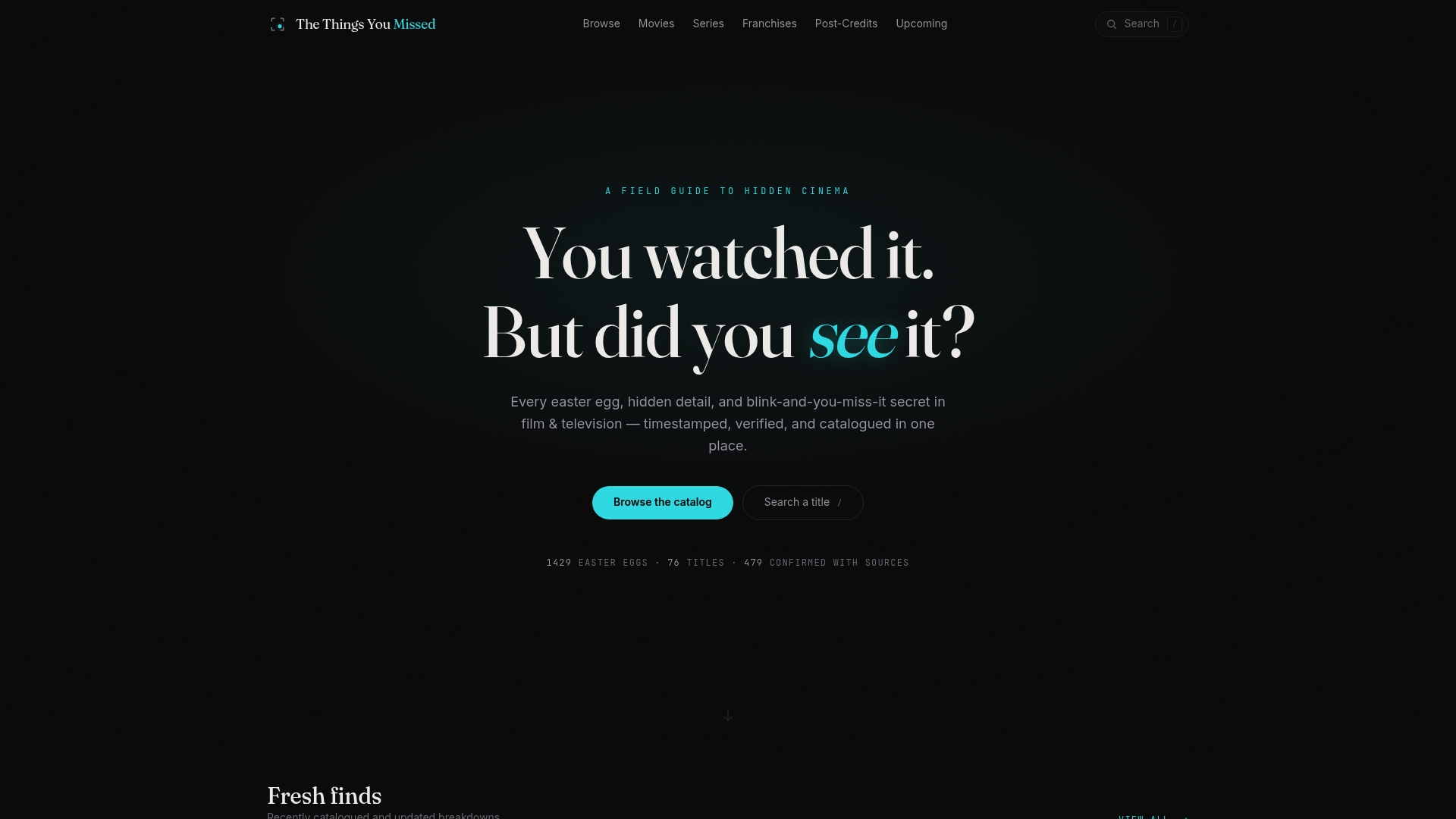
Start with the full movies catalog to browse by title, or jump straight into a deep breakdown like the Backrooms easter eggs page to see how a single film’s details get organized frame by frame. If you’re more of a series person, the TV series catalog covers the same ground episode by episode. Either way, the next time a friend asks “wait, did you catch that?”, you’ll already have the answer bookmarked.
Sources
- What are easter eggs? — r/NoStupidQuestions (Reddit)
- David Bordwell — blog: how close looking changed with digital tools
- NoFilmSchool — movie moments that hint the ending
FAQ
What Are Hidden Details in Movies Called?
They’re most commonly called easter eggs, though film scholars also use the term retrospective clues for details that only gain meaning after you know the ending. Some are intentional plants, and some are accidental finds crews leave in the frame without fully realizing the effect.
Is the Movie “Hidden” (2015) Related to This Topic?
No. Hidden (2015) is a psychological horror film) about a family sheltering from a mysterious outbreak, and it has nothing to do with easter eggs or hidden movie details as a concept. The title overlap is a coincidence that trips up a lot of search results.
What Is the Plot of the Movie “Hidden”?
Hidden (2015) follows a family living in an underground shelter during what appears to be a dangerous outbreak outside. The film’s tension comes from survival and claustrophobia rather than any connection to easter-egg culture.
What Movie Does Quentin Tarantino Refuse to Watch?
Tarantino has spoken publicly about avoiding certain remakes and films he feels compete too directly with his own influences, though his stated reasons shift depending on the interview. There’s no single, universally cited film tied to hidden-details culture specifically, so treat any viral claim about a definitive answer with some skepticism.
How Do I Find Hidden Details Without Getting Spoiled?
Look for spoiler-safe browsing tools that let you search by title or motif without revealing the ending. Thethingsyoumissed organizes entries this way, so you can explore a franchise like Disney Animation’s catalogued details at your own pace.