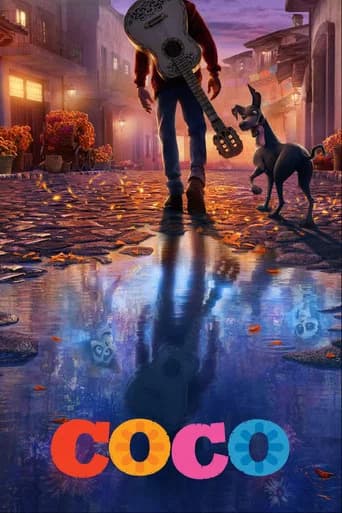
The Things You Missed

CocoEaster Eggs & Hidden Details

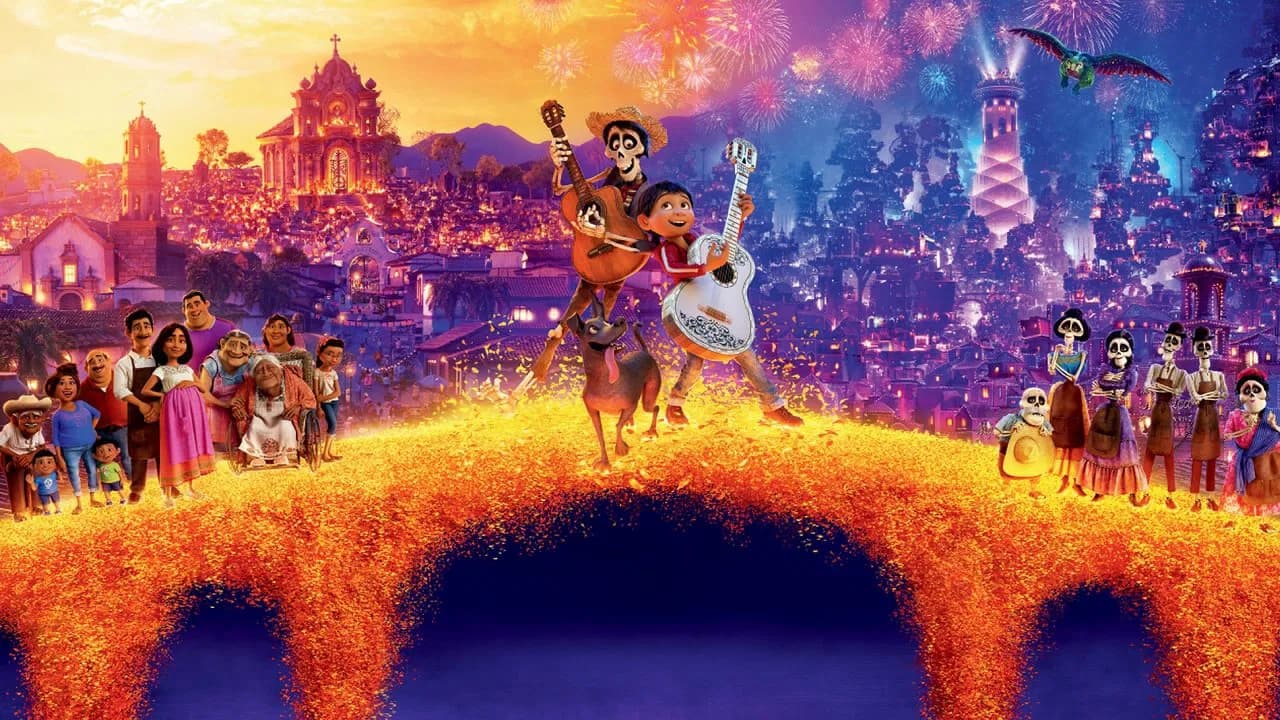
The Land of the Dead is full of real people — Frida Kahlo, Cantinflas, El Santo — plus an axe Lee Unkrich modelled on The Shining and a barrel that spells REDRUM.

2017 · Film · 105 min · Lee Unkrich, Adrian Molina

11 eggs catalogued6 confirmedno post-creditsupdated 2026-08-19

The short version

Coco (2017) hides 11 catalogued easter eggs and hidden details, 6 of them confirmed by official sources. Standouts include the axe is the overlook's, and the barrel beside it spells redrum, a113 is the office number at the bureau of family grievances and ernesto de la cruz is built from two real golden age superstars — who also appear. Every entry below includes where to look, a spotting difficulty, and sources.

Every egg on this page

  1. A113 is the office number at the Bureau of Family Grievances
  2. The axe is the Overlook's, and the barrel beside it spells REDRUM
  3. The Grady twins are painted on a canvas in the Land of the Dead
  4. The Land of the Dead is populated with real Mexican icons
  5. Ernesto de la Cruz is built from two real Golden Age superstars — who also appear
  6. The alebrijes come from one man's fever dream in the 1930s
  7. Dante's breed is the one Aztec belief said guided souls to the underworld
  8. The Pizza Planet truck drives through Santa Cecilia
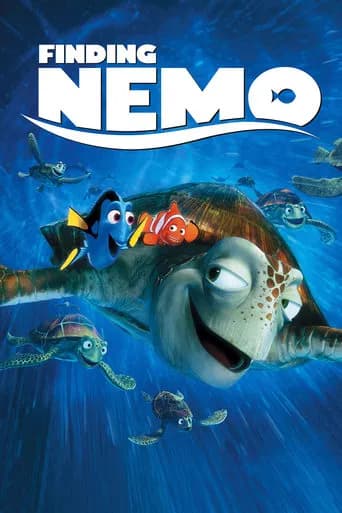
  9. Marlin, Dory and Destiny are carved into an alebrije stall
  10. An Incredibles poster hangs on the route to the talent show
  11. The Luxo ball turns up in the Rivera household

Coco hides two completely different kinds of thing, and they barely acknowledge each other. The first is cultural: the Land of the Dead is populated with real, identifiable Mexican icons, and spotting them is closer to reading a history of twentieth-century Mexican popular culture than hunting studio in-jokes. Frida Kahlo gets a full sequence. Cantinflas, El Santo, María Félix, Pedro Infante and Jorge Negrete are in the crowds. Ernesto de la Cruz is built out of the last two.

The second layer is Lee Unkrich's long private obsession with The Shining. Unkrich has put a Kubrick reference into every Pixar film he has directed, going back to editing Sid's Overlook-carpeted hallway into the first Toy Story, and Coco carries at least three: an axe he has confirmed was modelled on the one from the Overlook, a red storage drum beside it reading as REDRUM, and a canvas in the Land of the Dead bearing two unmistakable blue silhouettes where the Grady twins should be.

Underneath both sits the research. The alebrijes are drawn from a real folk-art tradition invented by Pedro Linares in the 1930s; Dante is a Xoloitzcuintli, the Mexican hairless breed that Aztec belief held guided souls across the water to the underworld. And then, after the credits, the film does the one thing nothing else in Pixar's catalogue does — it turns its own dedication into an ofrenda.

The full catalog

Your hunt

Tick off what you spotted

0 / 11 spotted

Tap the circle on a card when you catch one.

Type
Status
Difficulty

A113 is the office number at the Bureau of Family Grievances

Hidden DetailReference ConfirmedDeep Cut

WHERE TO LOOK · The Department of Family Reunions in the Land of the Dead — the office door

Pixar's CalArts signature is stencilled on a door in the Land of the Dead's bureaucracy — the office of the Bureau of Family Grievances, where Héctor's paperwork problems live. It is a well-chosen home for the joke: a department that exists to adjudicate whether the dead are remembered, filed under a room number that only exists because a group of animation students remembered each other.

The axe is the Overlook's, and the barrel beside it spells REDRUM

ReferenceHidden Detail ConfirmedWhite Whale

WHERE TO LOOK · Background dressing in the Land of the Dead

Tucked into the background of the Land of the Dead is an axe that Lee Unkrich has confirmed was modelled on the one Jack Torrance swings in The Shining — and beside it sits a red metal storage drum, which is to say a red drum, which is to say REDRUM. Unkrich has planted a Kubrick reference in every Pixar film he has directed since cutting the Overlook carpet into Sid's hallway on the original Toy Story, and this is the most elaborate of them: a visual pun that requires you to say the object's name out loud.

The Grady twins are painted on a canvas in the Land of the Dead

ReferenceHidden Detail Community ConsensusWhite Whale

WHERE TO LOOK · Background canvas during Miguel's run through the Land of the Dead

During a fast shot of Miguel running through the Land of the Dead in his skeleton makeup, a canvas in the background carries two blue silhouettes standing side by side — the Grady twins from the Overlook's hallway, rendered as a painting rather than a haunting. It is the second of the film's three Shining plants and the hardest to catch, because the camera never slows down for it.

The Land of the Dead is populated with real Mexican icons

CameoReference ConfirmedFreeze Frame

WHERE TO LOOK · Throughout the Land of the Dead — the crowds, the departures hall, Frida's rehearsal

The crowds are not generic skeletons. Frida Kahlo gets a full comic sequence as an avant-garde stage director, complete with her monkey alebrije and repeated unibrow gags — Héctor is at one point busted for falsifying a unibrow. Elsewhere in the film you can find the masked wrestler El Santo, the comedian Cantinflas, the actress María Félix, and singers Pedro Infante and Jorge Negrete. Unkrich has said there are more hidden than the ones people have found.

Ernesto de la Cruz is built from two real Golden Age superstars — who also appear

ReferenceCameo ConfirmedDeep Cut

WHERE TO LOOK · Ernesto's design and film clips; Infante and Negrete appear separately in the Land of the Dead

The film's charming, murderous idol is assembled out of Pedro Infante and Jorge Negrete, the two great singing film stars of the Golden Age of Mexican cinema — the charro costume, the cinema-idol career, the tragic early death. The clever part is that both men also appear in the film as themselves, which quietly makes Ernesto a fiction standing among the real thing, and lets the movie critique celebrity worship without libelling anyone.

The alebrijes come from one man's fever dream in the 1930s

ReferenceBehind the Scenes ConfirmedFreeze Frame

WHERE TO LOOK · Every alebrije in the film, from Dante's transformation onward

The luminous spirit creatures are drawn from a real folk-art form with a documented inventor: Pedro Linares, a Mexico City papier-mâché artist who in the 1930s fell seriously ill and hallucinated a landscape of impossible hybrid animals shouting a nonsense word — alebrijes. He built them when he recovered. Worth knowing that the film takes a liberty: alebrijes are not traditionally tied to Día de Muertos or to spirit guides at all. Coco borrows the form and gives it a new job.

Dante's breed is the one Aztec belief said guided souls to the underworld

ReferenceForeshadowing ConfirmedDeep Cut

WHERE TO LOOK · Dante throughout — and Frida's line naming his breed

Dante is a Xoloitzcuintli — the ancient Mexican hairless breed, which Frida greets in the film as the mighty Xolo dog. The casting is doctrine, not decoration: in Aztec belief the Xolo accompanied the dead across the water to Mictlan. So the film's clumsiest comic-relief character is, by tradition, exactly the creature that is supposed to be escorting Miguel, and the movie is telling you his function the first time it names his breed.

The Pizza Planet truck drives through Santa Cecilia

Hidden DetailCallback Community ConsensusDeep Cut

WHERE TO LOOK · Santa Cecilia, during Miguel's opening narration about the family music ban

Pixar's most-travelled vehicle turns up early, driving past during Miguel's opening narration about the ancestor who banned music from the family. It is the standard placement — background, one pass, no comment — but getting it into a village scene set in a film with essentially no modern traffic takes more care than dropping it into a city.

Marlin, Dory and Destiny are carved into an alebrije stall

CameoHidden Detail Community ConsensusWhite Whale

WHERE TO LOOK · The alebrije stall Miguel passes while running through town

Among the carved wooden creatures on an alebrije table Miguel runs past are three familiar shapes: Marlin, Dory and Destiny the whale shark, from Finding Nemo and Finding Dory. Rendering other Pixar characters as folk-art carvings rather than plastic toys is the smartest version of this gag the studio has done — the cameo is translated into the world's own visual language instead of being dropped into it.

An Incredibles poster hangs on the route to the talent show

Hidden DetailReference Community ConsensusWhite Whale

WHERE TO LOOK · The corridor Miguel and Héctor run down heading to the talent show

Miguel and Héctor sprint past a poster for The Incredibles on their way to the Land of the Dead talent competition. Pixar's cross-film advertising usually happens in bedrooms and toy boxes; putting one of its own films on a poster wall inside the afterlife is a slightly stranger proposition, and the film simply does not stop to think about it.

The Luxo ball turns up in the Rivera household

CallbackHidden Detail Community ConsensusWhite Whale

WHERE TO LOOK · Among the household objects in Santa Cecilia

The yellow ball with the blue stripe and red star from Luxo Jr. (1986) makes its obligatory appearance. It is the studio's most-planted object — it has now been found in Andy's hallway, Boo's bedroom, a girl's floor in Up and 22's quarters in Soul — and Coco keeps the streak intact without drawing any attention to it.

Post-credit scenes in Coco

No — Coco has no post-credit scene. The full answer — what plays, where it falls in the roll and what it sets up — has a page of its own.

Full post-credit breakdown →

Frequently asked

+How many easter eggs are in Coco?

We have catalogued 11 documented easter eggs and hidden details in Coco, including the A113 office at the Bureau of Family Grievances, three references to The Shining planted by Lee Unkrich, real Mexican icons such as Frida Kahlo, Cantinflas and El Santo in the Land of the Dead, Finding Dory characters carved as alebrijes, and the Pizza Planet truck in Santa Cecilia.

+What are the Shining references in Coco?

There are at least three. An axe in the background of the Land of the Dead was modelled on the one from The Shining, and the red storage drum next to it reads as REDRUM. A canvas elsewhere carries two blue silhouettes standing side by side — the Grady twins. Co-director Lee Unkrich is a lifelong Kubrick obsessive and has hidden a Shining reference in every Pixar film he has directed, starting with the Overlook carpet in Sid's house in Toy Story.

+Which real people appear in Coco?

Frida Kahlo has a full sequence as an avant-garde stage director. The crowds also include the masked wrestler El Santo, the comedian Cantinflas, the actress María Félix, and the singer-actors Pedro Infante and Jorge Negrete — the last two of whom also supplied the template for the fictional Ernesto de la Cruz. Lee Unkrich has said more are hidden than have been found.

+Are alebrijes a real Mexican tradition?

Yes, though the film adapts them. Alebrijes are a real folk-art form invented by Mexico City artist Pedro Linares in the 1930s after a fever dream of impossible hybrid creatures. They are not traditionally connected to Día de Muertos or to the idea of spirit guides — Coco borrows the form and gives it a new role in its afterlife.

+What plays after the Coco end credits?

A note explaining that Día de Muertos is a Mexican heritage tradition with indigenous roots, followed by an ofrenda made of real photographs of the deceased family members of the crew who made the film. It is a dedication rather than a scene, and it applies the film's own rule about remembrance to the filmmakers' own families.

Last updated 2026-08-19 · Spotted something we missed? Tell us.